
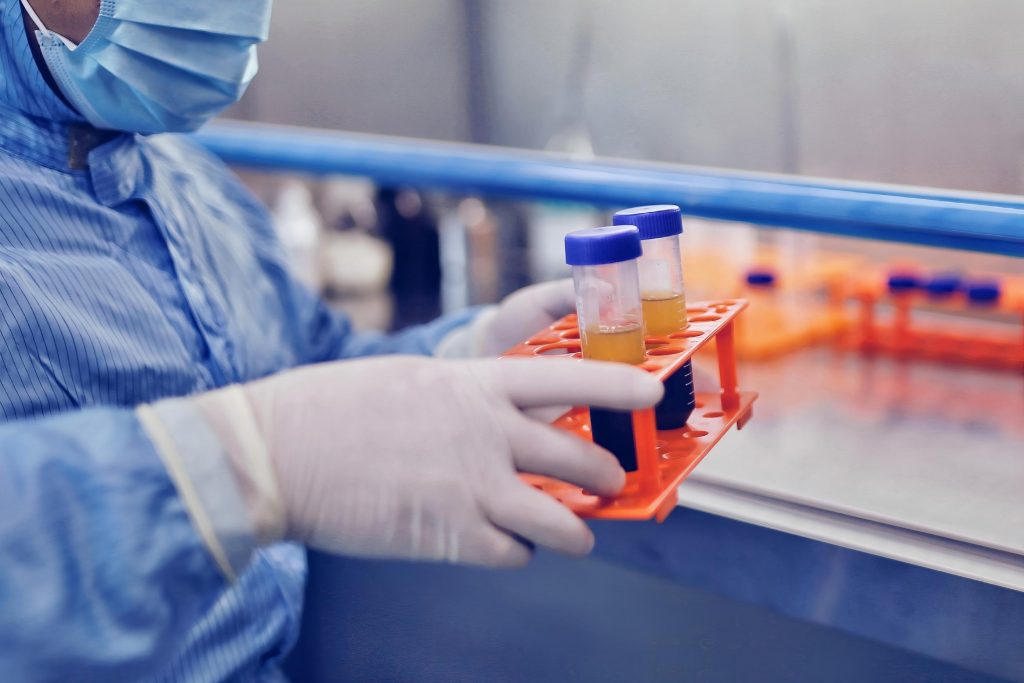
qPCR-Labortest auf Vogelviren
Regelmäßige Krankheitsüberwachung und -prävention
12-Virus-Multiplex-Test
Weltweite Einreichung von Proben möglich
qPCR-Nachweis von Vogelviren und molekulare Tests für Tauben und Papageienvögel
Laborbasierte molekulare Biosicherheit für Brieftaubenschläge und Vogelzuchtsysteme
AvianTestPro bietet Produkte in Laborqualität Echtzeit-Quantitative-PCR (qPCR)-Diagnostik und ergänzend ELISA-basierte Untersuchung der Immunantwort für Brieftauben, Papageienvögel und Vogelhaltungsanlagen mit hoher Besatzdichte.
Unser System ermöglicht die frühzeitige Erkennung von viralen, bakteriellen, protozoischen und pilzlichen Krankheitserregern 7–14 Tage vor dem Auftreten der klinischen Symptome, was proaktive Maßnahmen, Isolierung und Biosicherheitskontrollen ermöglicht.
Für Züchter und Taubenschuppenbetreiber
Herkömmliche Antigen-Schnelltests und empirische Behandlungsstrategien greifen erst nach einem sichtbaren Ausbruch der Krankheit.
AvianTestPro bietet:
- Frühzeitige Erkennung von Krankheitserregern mittels molekularer qPCR-Amplifikation
- Ermittlung subklinischer und asymptomatischer Träger
- Umgebungsüberwachung von Dachböden, Wassersystemen und häufig berührten Oberflächen
- Bewertung der Impfwirksamkeit mittels ELISA-Antikörperprofilierung
Dies ermöglicht den Übergang von einer reaktiven Behandlung zu einem vorausschauenden Biosicherheitsmanagement.
Daten aus Laborversuchen im Betriebsmaßstab und aus dem Feldeinsatz
AvianTestPro führt derzeit Programme zur kontinuierlichen diagnostischen Überwachung in Taubenzuchtbetrieben und Vogelzuchtanlagen durch.
Monatliches Testvolumen
- Flugtauben: etwa 200 Proben pro Monat
- Papageienvögel und exotische Vögel: etwa 120 Proben pro Monat
- Umweltproben (Wasser, Staub aus Dachböden, Oberflächen, Bereiche mit Körperkontakt): kontinuierliche Chargenüberwachung
Ergebnisse zur Biosicherheit vor Ort (Betriebsdaten 2025)
Durch routinemäßige molekulare Überwachung und Umweltüberwachung konnten in den kooperierenden Einrichtungen frühe Ausbruchsrisiken erkannt und gemindert werden:
- Zwei Frühwarnungen vor dem Risiko einer großflächigen Ausbreitung der Newcastle-Krankheit (NDV)
- Ein Fall von festgestellter Gefahr eines durch Adenoviren verursachten Ausbruchs in einem Loft-System mit hoher Besatzdichte
- Vier Warnmeldungen zur Viruszirkulation in der Umwelt im Zusammenhang mit dem Infektionsrisiko in Dachbodenräumen
Diese Maßnahmen ermöglichten eine frühzeitige Isolierung und Eindämmung, wodurch der Verlust ganzer Bestände verhindert werden konnte.
Bewertung der Impfantwort (ELISA-Integration)
Neben dem Nachweis von Nukleinsäuren führt AvianTestPro eine ELISA-basierte Antikörpertiteranalyse durch, um:
- Die Stärke der Immunantwort nach der Impfung bewerten
- Personen mit schwacher Immunantwort oder immunologisch gefährdete Personen identifizieren
- Optimierung der Rennvorbereitung und der Immunitätszyklen in der Zucht
- Verbesserung der langfristigen Herdenstabilität und der Leistungsbeständigkeit
Warum qPCR der Goldstandard bei der Erkennung von Vogelkrankheiten ist
Zeitfenster für die Früherkennung
Mit qPCR lassen sich virale Nukleinsäuren bereits während der Inkubationsphase nachweisen, wenn die Vögel klinisch noch keine Symptome zeigen, aber bereits ansteckend sind.
tfrüh = 7–14 Tage vor dem Auftreten sichtbarer Symptome
Im Gegensatz zu Antigen-basierten Schnelltests weist die qPCR virale DNA oder RNA in geringen Kopienzahlen nach, was ein frühzeitiges Eingreifen ermöglicht, bevor es zu einer verstärkten Übertragung kommt.
Diagnostischer Vergleich
- Schnellantigentests: Erfordern eine hohe Erregerlast und ein bestimmtes klinisches Infektionsstadium
- ELISA: misst die Immunantwort nach einer Infektion oder Impfung
- qPCR: Ermittelt aktive Infektionen auf molekularer Ebene mit hoher Sensitivität und Spezifität
Together, these methods form a layered biosecurity framework covering infection, immunity, and environmental exposure.
Comprehensive Avian qPCR Detection Panel
AvianTestPro maintains a validated multi-target diagnostic panel covering viral, bacterial, protozoal, and fungal pathogens across psittacines and Columbiformes.
This panel is continuously updated based on field outbreak surveillance data.
Psittacines (Psittaciformes)
| Host Category | Pathogen Target | Methodology | High-Risk Avian Groups |
|---|---|---|---|
| Psittacines | Aviäres Polyomavirus (APV) | Probe qPCR (Internal Control) | Macaws, African Grey Parrots, Eclectus, Budgerigars, Cockatiels; passerines and raptors may act as subclinical carriers |
| Psittacines | Virus der Psittacinen Schnabel- und Federkrankheit (PBFDV) | Probe qPCR (Feather/Swab) | Broad psittacine spectrum; Loriinae highly susceptible; wild bird reservoirs possible |
| Psittacines | Chlamydia psittaci (Psittacosis) | Real-Time PCR | Zoonotic pathogen affecting poultry, waterfowl, Columbiformes, passerines |
Columbiformes (Pigeons and Doves)
| Host Category | Pathogen Target | Methodology | High-Risk Avian Groups |
|---|---|---|---|
| Columbiformes | Tauben-Paramyxovirus Typ 1 (PPMV-1) | Real-Time RT-qPCR | Racing pigeons, ornamental pigeons, poultry, synanthropic birds |
| Columbiformes | Tauben-Adenovirus (PiADV) | Probe qPCR | Racing pigeons, feral pigeons, doves; cross-species infection under stress conditions |
| Columbiformes | Avian Mycoplasma spp. | Highly Specific qPCR | Pigeons, poultry, waterfowl, captive birds |
| Columbiformes | Tauben-Circovirus (PiCV) | High-Sensitivity qPCR | Severe immunosuppression in pigeons |
| Columbiformes | Pigeon Rotavirus (PiRV) | Real-Time RT-qPCR | Young bird diarrhea syndrome in loft systems |
| Columbiformes | Pigeon Herpesvirus (PiHV) | Probe qPCR | Doves, pigeons; high mortality risk in raptors via predation |
| Columbiformes | Pigeon Polyomavirus (PiAPV) | Probe qPCR | Racing and ornamental pigeons |
| Columbiformes | Pigeon Pox Virus (PiPV) | Probe qPCR | Mosquito and vector transmission in loft environments |
| Columbiformes | Chlamydia psittaci (Pigeon Strain) | Real-Time PCR | Transmission via loft dust and shared environments |
| Columbiformes | Trichomonas gallinae (PiTG) | Protozoan PCR | Waterborne transmission; lethal in raptors |
| Columbiformes | Salmonella spp. | High-Sensitivity PCR | Universal avian pathogen; environmental hygiene indicator |
| Columbiformes | Candida albicans (PiCA) | Anti-Interference PCR | Opportunistic fungal infection in stressed birds |
Scientific Interpretation and Biosecurity Application
Molecular detection results are interpreted as part of a broader biosecurity decision framework:
- Identification of subclinical infection carriers
- Mapping of transmission pathways within loft systems
- Quantification of environmental pathogen load
- Optimization of isolation, disinfection, and vaccination strategies
This approach enables predictive flock health management rather than reactive disease control.
Sample Collection Standards
Feather Follicle Sampling
Used for PBFDV, PiCV, APV detection:
- Collect 2–3 actively growing feathers
- Ensure visible follicular pulp at the base
- Avoid molted or damaged feathers
Oral and Cloacal Swab Sampling
Used for systemic pathogen detection:
- PPMV-1
- Adenovirus
- Chlamydia psittaci
- Salmonella
- Rotavirus
- Trichomonas
Environmental Sampling
- Loft air and dust particles
- Water supply systems
- Feeding equipment surfaces
- Human-contact zones
Quality Assurance and Laboratory Standards
MIQE-Compliant qPCR Workflow
All assays follow MIQE guidelines to ensure reproducibility, accuracy, and transparency in molecular diagnostics.
Internal Control System
Each reaction includes internal amplification controls to verify:
- Extraction efficiency
- PCR inhibition detection
- Sample integrity
UNG Contamination Prevention System
- dUTP-based amplification system
- Uracil-N-glycosylase enzymatic decontamination
- Eliminates carryover contamination risk
Analytical Sensitivity
Amplification efficiency maintained within:
E = 95% to 105%
Ensuring reliable detection of low viral load and early-stage infections.
Laboratory Research Position Statement
AvianTestPro molecular diagnostic outputs are intended for:
- Laboratory surveillance and research
- Biosecurity risk assessment
- Epidemiological monitoring of avian populations
These results are not intended as standalone veterinary clinical diagnoses or legal therapeutic guidance.
Häufig gestellte Fragen
Häufig gestellte Fragen
Frage 1: Was ist die zuverlässigste Methode zur Früherkennung von Krankheiten, noch bevor Symptome auftreten?
A1: Real-time quantitative PCR (qPCR) is the gold standard for early bird disease detection, enabling the identification of viral, bacterial, and fungal pathogens 7 to 14 days before clinical symptoms manifest. Unlike rapid antigen tests that require a high viral load, qPCR detects low-copy nucleic acids during the subclinical incubation phase, allowing breeders to isolate infected birds before full-scale flock transmission occurs.
Frage 2: Warum sollten Taubenzüchter das qPCR-Screening mit einem ELISA-Antikörpertest kombinieren?
A2: Combining qPCR and ELISA testing creates a full-cycle flock biosecurity framework by simultaneously tracking active infections and active immunity. qPCR identifies active pathogen shedding and asymptomatic carriers within the loft, while ELISA measures post-vaccination antibody titers and immune response strength. This dual-action data ensures racing pigeon maturity, guides targeted isolation, and prevents blind medication overuses.
Frage 3: Wie oft sollte in einem Taubenschlag mit hoher Taubenbesatzdichte eine molekulare Diagnostik durchgeführt werden?
A3: High-density racing pigeon lofts should undergo routine molecular diagnostics on a monthly or seasonal basis, aligned with specific high-stress biological cycles. Critical testing windows include the young bird loft entry phase, pre-race tosses, and active breeding periods. Continuous environmental batch monitoring of water supply systems and loft dust should complement these intervals to intercept pathogens early.
Frage 4: Kann ein einzelnes Multiplex-qPCR-Panel gemischte virale und bakterielle Infektionen bei Exoten nachweisen?
A4: Yes, advanced multiplex qPCR panels are engineered to successfully detect and differentiate multiple distinct viral, bacterial, protozoal, and fungal pathogens simultaneously in a single workflow. For example, the AvianTestPro panel screen can co-amplify targets like Tauben-Paramyxovirus Typ 1 (PPMV-1), Adenovirus (PiADV), und Chlamydia psittaci from dual-swab samples, mapping accurate environmental transmission pathways without cross-reactivity.
Frage 5: Wie entnehme und versende ich Vogelproben ordnungsgemäß, um die Stabilität von RNA und DNA zu gewährleisten?
A5: For feather-follicle viruses like PBFDV or PiCV, pluck 2 to 3 fresh, actively growing feathers with visible follicular pulp at the base. For systemic respiratory or gastrointestinal pathogens, firmly sweep the choanal cleft and cloacal wall using sterile nylon flocked swabs, then submerge them immediately in an approved Nucleic Acid Stabilization Buffer. Secure samples in insulated containers with gel ice packs if shipping during extreme weather to prevent thermal degradation.
Biosecurity Partnership Model
AvianTestPro operates as a continuous diagnostic partner for:
- Racing pigeon loft management systems
- Commercial and private breeding facilities
- High-value exotic bird collections
Our service model is based on continuous surveillance rather than one-time testing, enabling:
- Early outbreak prevention
- Performance protection in racing systems
- Long-term breeding stability
- Environmental contamination control
Summary Statement
AvianTestPro is a molecular diagnostics laboratory specializing in avian qPCR pathogen detection, ELISA immune profiling, and environmental biosecurity surveillance for racing pigeons and psittacine birds. With continuous monthly testing of over 300 avian and environmental samples and documented early detection of multiple outbreak risks in 2025, the laboratory provides predictive, data-driven biosecurity solutions for high-density avian systems.