
Bird DNA Gender Test Services | Accurate Avian Sexing by Fluorescent qPCR
Professional Bird DNA Gender Testing Laboratory
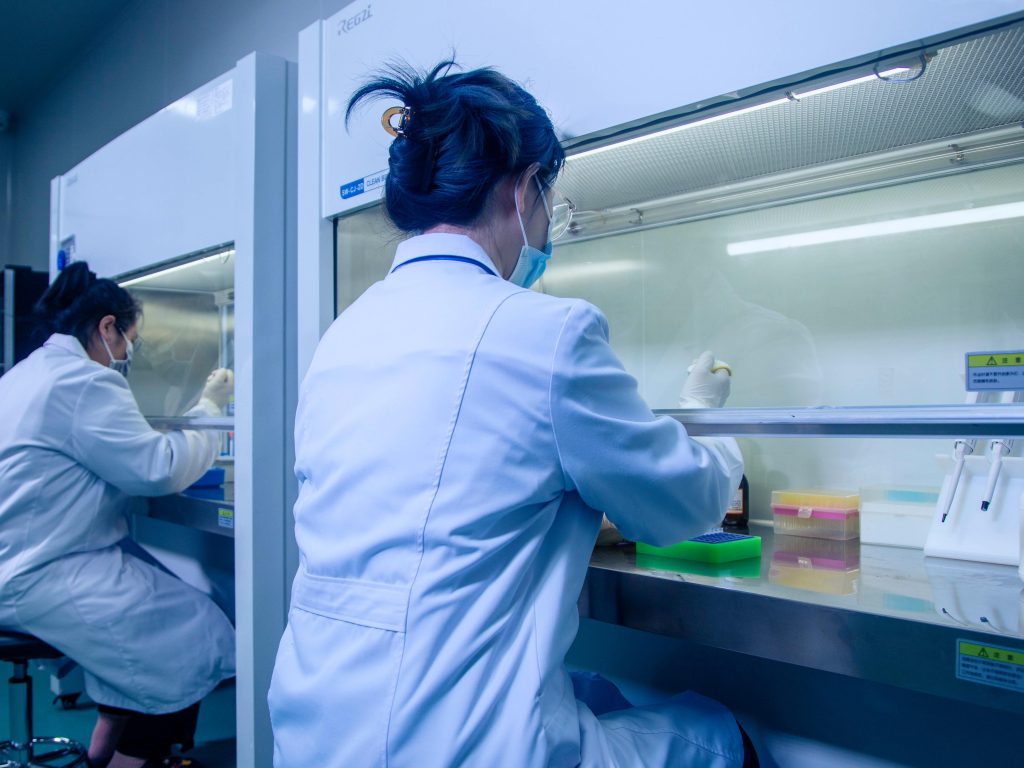
Bird DNA gender testing is one of the most accurate scientific methods for determining the sex of birds. Our laboratory uses advanced fluorescent qPCR (quantitative Polymerase Chain Reaction) technology to identify avian gender through CHD gene analysis from feather follicle DNA samples.
Unlike traditional visual sex identification methods, DNA-based bird gender testing provides reliable and highly accurate results for parrots, pigeons, finches, raptors, poultry, exotic birds, and many other avian species.
Our laboratory follows a strict molecular testing workflow with multiple quality control checkpoints to ensure testing accuracy above 99%.


Consultant: Martin.W
Email: [email protected]
Consultant: Aaron.W
Email: [email protected]
What Is Bird DNA Gender Testing?
Bird DNA gender testing is a molecular biology testing method used to determine whether a bird is male or female by analyzing sex-linked genetic markers.
Most bird species do not show obvious external sex characteristics, especially when they are young. In many parrots, pigeons, ornamental birds, and exotic birds, males and females can look nearly identical. DNA testing solves this problem by directly analyzing genetic information.
The most commonly used target for avian sex determination is the CHD gene (Chromodomain Helicase DNA-binding gene), which exists on bird sex chromosomes.
In birds:
- Male birds typically carry ZZ chromosomes
- Female birds typically carry ZW chromosomes
By detecting CHD-related genetic differences through PCR amplification, laboratories can accurately determine bird gender.
Why Fluorescent qPCR Is Considered One of the Most Accurate Bird Gender Testing Methods
Our laboratory primarily uses fluorescent qPCR technology for bird DNA gender testing.
Fluorescent quantitative PCR is widely recognized in molecular diagnostics because of its:
- High analytical sensitivity
- High specificity
- Strong repeatability
- Low contamination risk
- Real-time amplification monitoring
- Reliable amplification curve analysis
Compared with conventional endpoint PCR methods, fluorescent qPCR allows technicians to monitor amplification signals in real time, improving result reliability and reducing interpretation errors.
This technology is extensively used in:
- Veterinary molecular diagnostics
- Human clinical diagnostics
- Pathogen detection
- Genetic screening
- Research laboratories worldwide
For avian sex determination, fluorescent qPCR provides stable and highly reproducible detection of CHD genetic markers.
Scientific Principle of Bird DNA Gender Testing
The biological foundation of bird DNA sex testing is based on differences in avian sex chromosomes.
Avian Sex Chromosome System
Unlike mammals, birds use a different chromosome system:
- Male birds: ZZ
- Female birds: ZW
The CHD gene exists on both Z and W chromosomes, but the sequences are slightly different.
During PCR amplification:
- Male birds usually produce one characteristic amplification profile
- Female birds usually produce two distinguishable genetic signals
Laboratory analysts compare amplification data and fluorescence signals to determine the bird’s sex.
Our Bird DNA Testing Workflow
Step 1: Feather Follicle DNA Extraction via Optimized Direct Lysis
Fresh feather samples containing intact feather follicles are used for testing. The follicle region contains living bird cells rich in genomic DNA. Our laboratory uses an optimized reagent-based direct lysis method to release DNA from the feather follicle tissue.
Why We Use Direct Lysis Instead of Column Purification While many laboratories use traditional column-based purification systems, our optimized direct lysis workflow offers distinct advantages for high-throughput avian testing:
Faster Turnaround: Skipping multiple washing steps significantly accelerates workflow throughput, allowing us to deliver results within 1–2 working days. This strategic balance between molecular efficiency and analytical accuracy enables us to maintain industry-leading affordability without compromising a single percent of reliability.
Maximum Efficiency: Avian CHD locus detection via qPCR does not require ultra-purified genomic DNA. Direct lysis retains sufficient DNA quality for perfect real-time PCR amplification.
Reduced Processing Cost: Eliminating unnecessary column consumables allows us to pass the savings directly to breeders and distributors.
Step 2: PCR Reaction System Preparation
After DNA extraction, technicians prepare the fluorescent PCR reaction system.
The reaction mixture generally includes:
- PCR master mix
- Primers targeting avian CHD loci
- Fluorescent probes or fluorescent detection chemistry
- Enzymes
- Buffer system
- Internal controls
Strict laboratory SOP procedures are followed during reagent preparation to minimize contamination risk.
Step 3: Sample Loading Into the qPCR System
The extracted DNA samples are added into the prepared reaction system.
The reactions are then loaded into fluorescent quantitative PCR instruments for amplification analysis.
Our laboratory uses real-time fluorescence monitoring to track DNA amplification during the testing process.
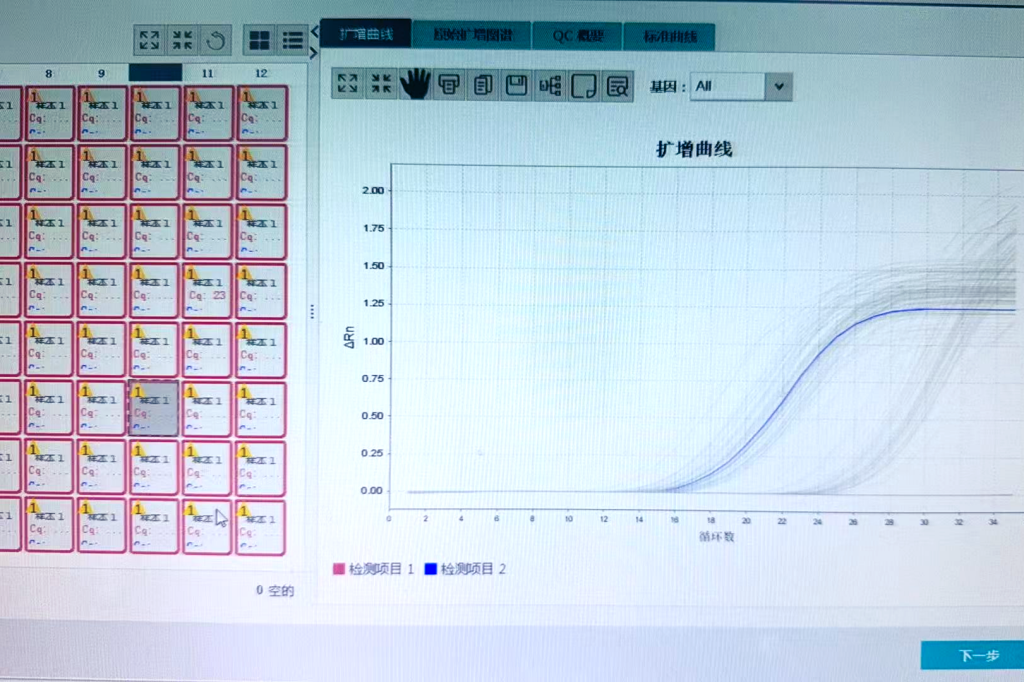
Step 4: Fluorescent qPCR Amplification Process
During the PCR cycling process:
- Target DNA regions are amplified
- Fluorescent signals increase with amplification
- The instrument records fluorescence intensity in real time
- Amplification curves are generated automatically
Technicians evaluate:
- Amplification curve quality
- Ct values
- Signal consistency
- Control reactions
- CHD amplification patterns
These parameters help determine whether the sample is male or female.
Step 5: Manual Expert Result Analysis
After amplification is completed, trained laboratory personnel manually review the results.
This is an important part of our quality assurance system.
Any questionable, weak, abnormal, or borderline amplification result will not be released directly.
Instead, the sample will undergo:
- Secondary testing
- Repeat amplification
- Additional verification if necessary
Some difficult samples may even undergo third-round confirmation testing.
This manual review process significantly improves result reliability.
Step 6: High-Percentage Quality Control Retesting
Quality control is one of the core strengths of our laboratory workflow.
We randomly select approximately 15%–20% of total tested samples for additional QC retesting and result verification.
This high-percentage quality control system helps:
- Monitor workflow consistency
- Detect rare experimental deviations
- Verify amplification reproducibility
- Maintain long-term testing stability
- Reduce reporting risk
Many laboratories perform only minimal QC sampling. Our higher retesting ratio reflects a stricter laboratory standard.
Step 7: Laboratory Report Generation
After verification is completed, final testing reports are generated and delivered to customers.
The laboratory report includes:
- Sample identification
- Test result
- Gender determination
- Laboratory information
- Testing method
- Internal quality review confirmation
Why Feather Follicles Are Important for Bird DNA Testing
The most critical part of a feather sample is the feather follicle.
DNA is located inside living cells attached to the follicle tissue. Feathers without intact follicles may contain insufficient DNA for analysis.
For best results:
- Use freshly plucked feathers
- Collect 4–5 feathers per bird
- Preserve the follicle root area carefully
- Avoid touching the follicle directly
- Store each bird sample separately
Fresh samples greatly improve DNA integrity and testing success rates.
Bird Species Commonly Tested
Our avian DNA gender testing service supports many bird species, including:
- Parrots
- Macaws
- Cockatoos
- African Grey Parrots
- Lovebirds
- Budgerigars
- Cockatiels
- Pigeons
- Racing pigeons
- Falcons
- Raptors
- Finches
- Canaries
- Poultry species
- Exotic birds
- Ornamental birds
Bird DNA Gender Test Accuracy
Our complete laboratory workflow is designed to achieve testing accuracy above 99%.
Key factors contributing to testing reliability include:
- Advanced fluorescent qPCR technology
- Standardized reagent systems
- Controlled laboratory workflow
- Manual result review
- Repeat testing for uncertain samples
- High-percentage QC retesting
- Strict internal laboratory standards
Samples producing unclear or inconsistent results are never directly reported without additional verification.
Why DNA Testing Is Better Than Visual Bird Sex Identification
Visual identification is often unreliable in birds because:
- Many species are sexually monomorphic
- Juvenile birds lack mature characteristics
- Feather coloration can vary
- Behavioral differences are inconsistent
- Physical size overlap is common
DNA testing directly analyzes genetic information, making it significantly more accurate than appearance-based judgment.
Laboratory Standards and Testing Reliability
Experience
Our laboratory workflow is built around real molecular diagnostic testing procedures and practical avian DNA analysis experience.
Expertise
The testing process uses molecular biology methods including DNA lysis extraction, fluorescent qPCR amplification, CHD marker analysis, and laboratory quality control review.
Authoritativeness
Fluorescent qPCR technology is widely used in modern molecular diagnostic laboratories due to its sensitivity, specificity, and reproducibility.
Trustworthiness
To maintain high confidence in reporting:
- Uncertain samples are automatically retested
- Manual data review is required
- Quality control retesting covers 15%–20% of samples
- Reports are only released after verification
Bird DNA Gender Test FAQ
How accurate is bird DNA gender testing?
Our laboratory workflow is designed to maintain testing accuracy above 99%, supported by repeat testing procedures, manual result review, and high-percentage quality control retesting.
What is bird DNA gender testing?
Bird DNA gender testing is a molecular biology method used to determine whether a bird is male or female by analyzing genetic markers such as the CHD gene through PCR amplification.
Why is DNA testing more accurate than visual bird sex identification?
Many bird species do not show clear external sex characteristics. DNA testing directly analyzes genetic information, making it significantly more reliable than visual observation or behavioral guessing.
What is the CHD gene in birds?
The CHD (Chromodomain Helicase DNA-binding) gene is commonly used for avian sex determination because it differs between the Z and W sex chromosomes in birds.
How does bird DNA gender testing work?
The testing process generally includes feather follicle DNA extraction, PCR reaction preparation, fluorescent qPCR amplification, amplification curve analysis, manual result interpretation, quality control retesting, and laboratory report generation.
What samples are required for bird DNA testing?
Freshly plucked feather samples with intact follicles are commonly used for avian DNA testing.
How many feathers are needed?
Most bird DNA tests require approximately 4–5 freshly plucked feathers with visible follicle roots.
Why are feather follicles important?
The follicle contains living cells with genomic DNA. Feathers without intact follicles may not contain enough DNA for reliable analysis.
Can naturally shed feathers be used?
Naturally shed or old feathers are generally not recommended because degraded follicles may contain insufficient or damaged DNA.
Why should feathers be freshly plucked?
Fresh feathers preserve better DNA quality and improve amplification reliability during PCR testing.
What is fluorescent qPCR?
Fluorescent quantitative PCR (qPCR) is a molecular technique that monitors DNA amplification in real time using fluorescence signals.
Why is fluorescent qPCR considered advanced?
Compared with traditional PCR methods, fluorescent qPCR provides higher sensitivity, better repeatability, faster processing, real-time amplification monitoring, and more reliable data analysis.
What are amplification curves?
Amplification curves are graphical representations showing fluorescence increases during PCR cycling. They help laboratory analysts evaluate amplification quality and reaction reliability.
What does Ct value mean?
Ct (Cycle threshold) value refers to the PCR cycle number at which fluorescence exceeds background signal levels. It helps evaluate DNA concentration and amplification quality.
Why does your laboratory use direct lysis extraction instead of column purification?
Direct lysis extraction improves testing efficiency and reduces costs while still providing DNA quality sufficient for CHD-based fluorescent qPCR analysis.
Does direct lysis extraction reduce accuracy?
No. For avian CHD gender testing, optimized reagent-based direct lysis extraction provides adequate DNA quality for reliable fluorescent qPCR analysis.
Why are some samples retested?
Samples with weak, borderline, or unclear amplification signals are retested to ensure reporting accuracy and reduce false interpretation risk.
Why does your laboratory manually review results?
Manual review helps identify weak amplification, abnormal fluorescence signals, non-specific reactions, inconsistent controls, and potential technical issues.
What is laboratory quality control (QC)?
Quality control refers to procedures used to verify testing consistency, repeatability, and analytical reliability throughout the workflow.
Why does your laboratory retest 15%–20% of samples?
A high-percentage QC retesting system helps verify reproducibility, monitor workflow consistency, detect analytical variation, and maintain long-term testing stability.
Can contamination affect bird DNA testing?
Yes. External DNA contamination or mixed samples may interfere with PCR analysis. Proper collection and separate packaging are important.
Can juvenile birds be tested?
Yes. DNA testing is especially useful for juvenile birds because they often lack visible sex characteristics.
Is bird DNA testing safe for birds?
Yes. Feather sampling is minimally invasive and typically requires only a few feathers.
Which bird species can be tested?
Bird DNA gender testing is commonly used for parrots, cockatoos, macaws, African Grey parrots, lovebirds, budgerigars, cockatiels, pigeons, racing pigeons, raptors, finches, canaries, and many exotic birds.
Why is DNA testing important for breeders?
Accurate gender identification helps breeders build breeding pairs, improve breeding management, avoid pairing mistakes, and manage bird populations efficiently.
Is PCR-based bird gender testing scientifically accepted?
Yes. PCR-based avian sex determination is widely used in molecular biology laboratories, veterinary diagnostics, breeding programs, and avian research institutions worldwide.
Laboratory Information & Quality Standards
Bird DNA gender testing services are provided by Zhangjiakou SENO Testing Center Co., Ltd, a molecular diagnostics laboratory specializing in avian genetic testing and PCR-based diagnostic workflows.
Laboratory Director
Technical laboratory operations and quality review procedures are supervised by Aaron Wong.
Our Track Record (Full Year 2025 Statistics)
- Total bird samples processed: 350,000+
- Laboratory testing accuracy: 99.9%
- International sample ratio: 8.2%
- Main international submission regions: Middle East, North America, Oceania, and Europe
The laboratory maintains strict internal SOP procedures, repeat verification standards, and high-percentage quality control retesting workflows to ensure analytical reliability and long-term testing consistency.
Scientific References
- Griffiths, R., Double, M. C., Orr, K., & Dawson, R. J. G. (1998). A DNA test to sex most birds. Molecular Ecology, 7(8), 1071–1075. DOI: 10.1046/j.1365-294x.1998.00389.x
- Dubiec, A., & Zagalska-Neubauer, M. (2006). Molecular techniques for sex identification in birds. Biological Letters, 43(1), 3–12. DOI: 10.2478/v10120-006-0001-0
- Fridolfsson, A. K., & Ellegren, H. (1999). A simple and universal method for molecular sexing of non-ratite birds. Journal of Avian Biology, 30(1), 116–121. DOI: 10.2307/3677252
- Morinha, F., Cabral, J. A., & Bastos, E. (2012). Molecular sexing of birds: A comparative review of polymerase chain reaction (PCR)-based methods. Theriogenology, 78(4), 703–714. DOI: 10.1016/j.theriogenology.2012.04.015
- Heid, C. A., Stevens, J., Livak, K. J., & Williams, P. M. (1996). Real time quantitative PCR. Genome Research, 6(10), 986–994. DOI: 10.1101/gr.6.10.986
- Kubista, M., Andrade, J. M., Bengtsson, M., et al. (2006). The real-time polymerase chain reaction. Molecular Aspects of Medicine, 27(2–3), 95–125. DOI: 10.1016/j.mam.2005.12.007
- Bustin, S. A., Benes, V., Garson, J. A., et al. (2009). The MIQE guidelines: Minimum information for publication of quantitative real-time PCR experiments. Clinical Chemistry, 55(4), 611–622. DOI: 10.1373/clinchem.2008.112797